The NSW councils where development applications are rising fastest in 2026
Campbelltown DAs are up 73 per cent, Liverpool 66 per cent and Waverley 48 per cent between the first and second halves of the year. Which councils are growing, which have gone flat, the suburbs with the most new applications, and what it means for trades choosing where to work.
The LodgedLeads team · · 4 min read
Statewide, development applications in NSW rose 13 per cent between the six months to April 2026 and the six months to October. But that average hides a lot. Some councils lodged half as many again; others barely moved. If you are deciding which areas to chase next year, this is where the growth is.
We compared applications lodged from 1 November 2025 to 30 April 2026 with those from 1 May to 31 October 2026, for every council that lodged at least 150 in the first period. Note that the first period includes the January trough, so a council needs to beat about 10 per cent growth before it is doing more than following the seasons.
The fastest-growing councils
Applications in the second half of the year compared with the first:
- Campbelltown: 292 to 506, up 73 per cent
- Liverpool: 249 to 414, up 66 per cent
- Waverley: 255 to 377, up 48 per cent
- Cessnock: 383 to 526, up 37 per cent
- Georges River: 167 to 229, up 37 per cent
- Byron Shire: 280 to 366, up 31 per cent
- Queanbeyan-Palerang: 277 to 357, up 29 per cent
- Bayside: 248 to 319, up 29 per cent
- Fairfield: 172 to 220, up 28 per cent
- Lismore: 179 to 226, up 26 per cent
- Ryde: 169 to 213, up 26 per cent
- Ku-ring-gai: 245 to 308, up 26 per cent
- Blue Mountains: 322 to 402, up 25 per cent
- Wagga Wagga: 340 to 422, up 24 per cent
Why those councils
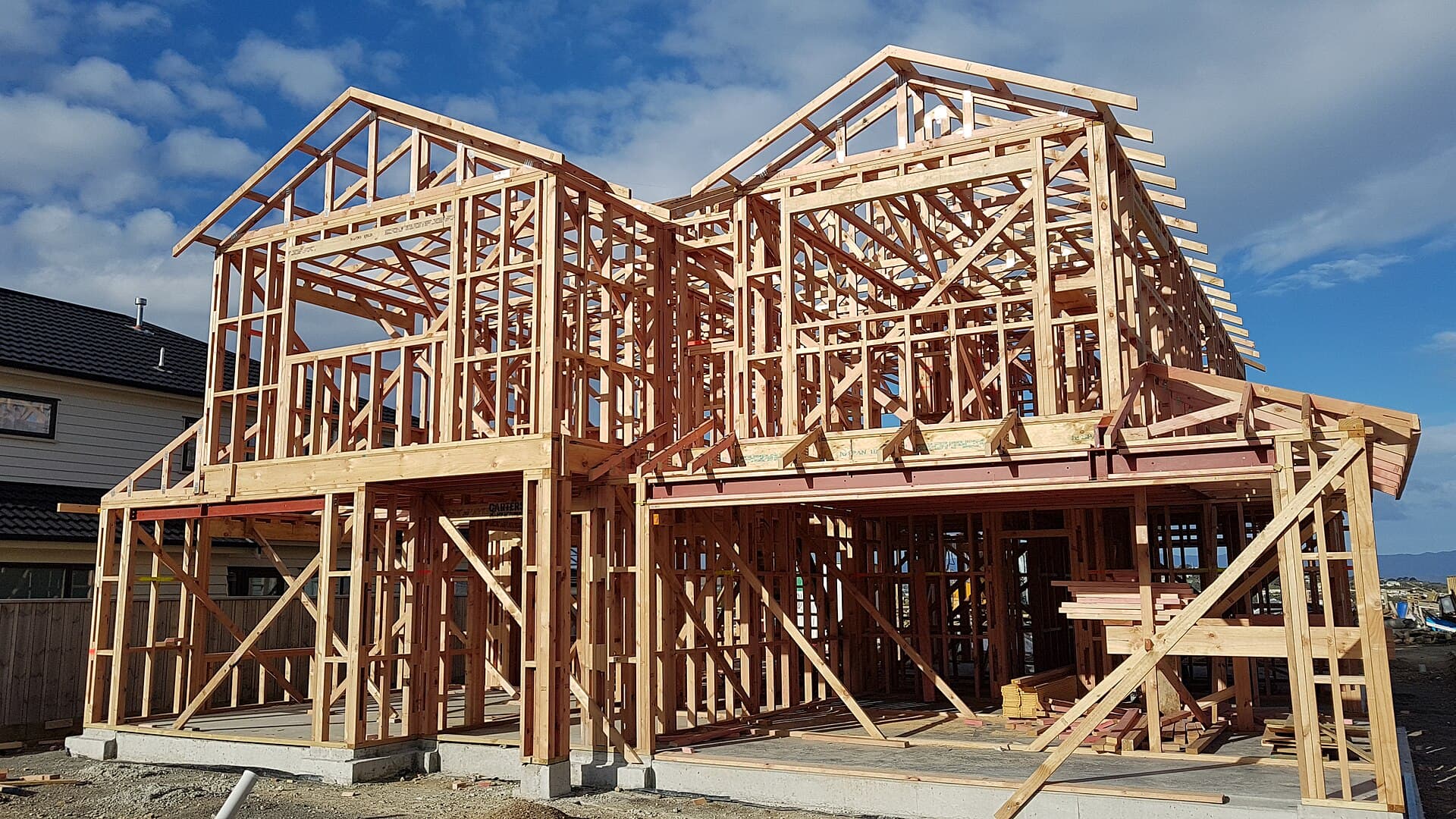
South-west Sydney is building estates. Campbelltown and Liverpool top the list because Menangle Park, Gilead, Leppington, Austral and Edmondson Park are moving from subdivision to house lots. Menangle Park alone lodged 84 new-house DAs in the year. When an estate reaches that stage every lot becomes a DA, and then a slab, a frame, a roof, a kitchen, a fence and a driveway. Builders working these suburbs are seeing it already; the trades that follow the builder (electrical and solar, plumbing, landscaping, fencing) see it next.
The Hunter keeps growing. Cessnock is the fourth-fastest-growing council in the state, on the back of North Rothbury, Huntlee and the estates along the Hunter Expressway. It lodged 526 applications in six months, more than many Sydney councils. See Cessnock’s current applications.
The eastern suburbs are renovating. Waverley, Georges River, Bayside and Ryde are not greenfield councils. Their growth is in alterations and additions, knockdown rebuilds and modifications to jobs already under way. Waverley’s 377 applications in six months are mostly house and apartment renovations in Bondi, Bronte and Waverley itself, and 42 per cent of them were modification applications: jobs changing scope mid-build.
The regions are not standing still. Byron, Lismore, Queanbeyan-Palerang (Googong), the Blue Mountains and Wagga Wagga all grew by a quarter or more. Googong lodged 73 new-house DAs in the year; Byron Shire lodged 116 swimming pools, as many as Sutherland Shire.
The councils that have gone flat
A handful of councils lodged fewer applications in the second half of the year than the first, or the same number: Yass Valley (162 to 131), Inner West (781 to 742), Kempsey (152 to 146), Bathurst (199 to 195), Port Stephens (388 to 381) and City of Parramatta (368 to 365). Blacktown, Hornsby, North Sydney and Willoughby were within a per cent or two of flat.
Flat is not quiet. The Inner West still lodged 1,523 applications for the year, the fifth most in the state, and Blacktown 1,163. These are mature, busy councils where volume is steady rather than growing. But if you are choosing between two new areas to market in, the growing ones will have more first-time owners who have not yet picked their trades.
The suburbs with the most new applications
Zooming in to the 90 days to 6 November 2026, the suburbs with the most lodgements were a mix of regional centres, estates and the eastern suburbs:
- Sydney (CBD): 121, mostly commercial fit-outs and apartment modifications
- Dubbo: 114
- Port Macquarie: 100
- Orange: 79
- Mosman: 76
- Gables (The Hills): 65, nearly all new houses
- Calderwood (Shellharbour): 64, nearly all new houses
- Moama: 60
- Armidale and Coffs Harbour: 53 each
- North Rothbury (Cessnock): 52
- Maroubra and Paddington: 50 each
- Surry Hills: 49
- Tahmoor (Wollondilly): 48
- Vaucluse: 47, Randwick: 46, Bellevue Hill: 45
Two very different markets sit side by side here. Gables, Calderwood, North Rothbury and Tahmoor are estates where almost every application is a new house on a new lot. Mosman, Paddington, Vaucluse and Bellevue Hill are established suburbs where almost every application is a renovation, often a large one: Woollahra’s 915 applications carried a stated cost of $2.3 billion between them.
How to use this
Pick the councils you can actually get to and watch them, rather than the whole state. LodgedLeads lets you choose your councils and your trade and emails you the matching applications each evening, so if Campbelltown is doubling you hear about every job as it is lodged, not when the builder asks for quotes six months later. You can see each council’s current applications on its page, for example Campbelltown or Liverpool, and the full list on councils. There is a 14-day free trial, no card needed.
Data source: NSW Planning Portal, NSW Department of Planning, Housing and Infrastructure, under Creative Commons Attribution. About the data.