New home builds in NSW: 12,272 house DAs in a year, estate by estate
12,272 development applications for a new house were lodged in NSW in the 12 months to October 2026, averaging $820,000. The councils and suburbs with the most, what a new house costs by region, how many came with a pool or granny flat, and how builders and the trades that follow them find each one early.
The LodgedLeads team · · 4 min read
A new house is the job most trades want: a builder to run it, then a slab, a frame, a roof, electrical and solar, plumbing, plaster, tiles, a kitchen, paint, a driveway, fencing and a garden, often a pool. Every one that needs council consent starts as a development application, and in the year to 31 October 2026 NSW lodged 12,272 of them.
This article looks at where they are, what they cost and how the numbers moved through the year. The count covers DAs whose development type is a dwelling house as a new structure, including knockdown rebuilds, and excludes alterations and additions (we cover those in home extensions and renovations in NSW). Houses approved as complying development don’t go through a DA and aren’t counted; see DA vs CDC.
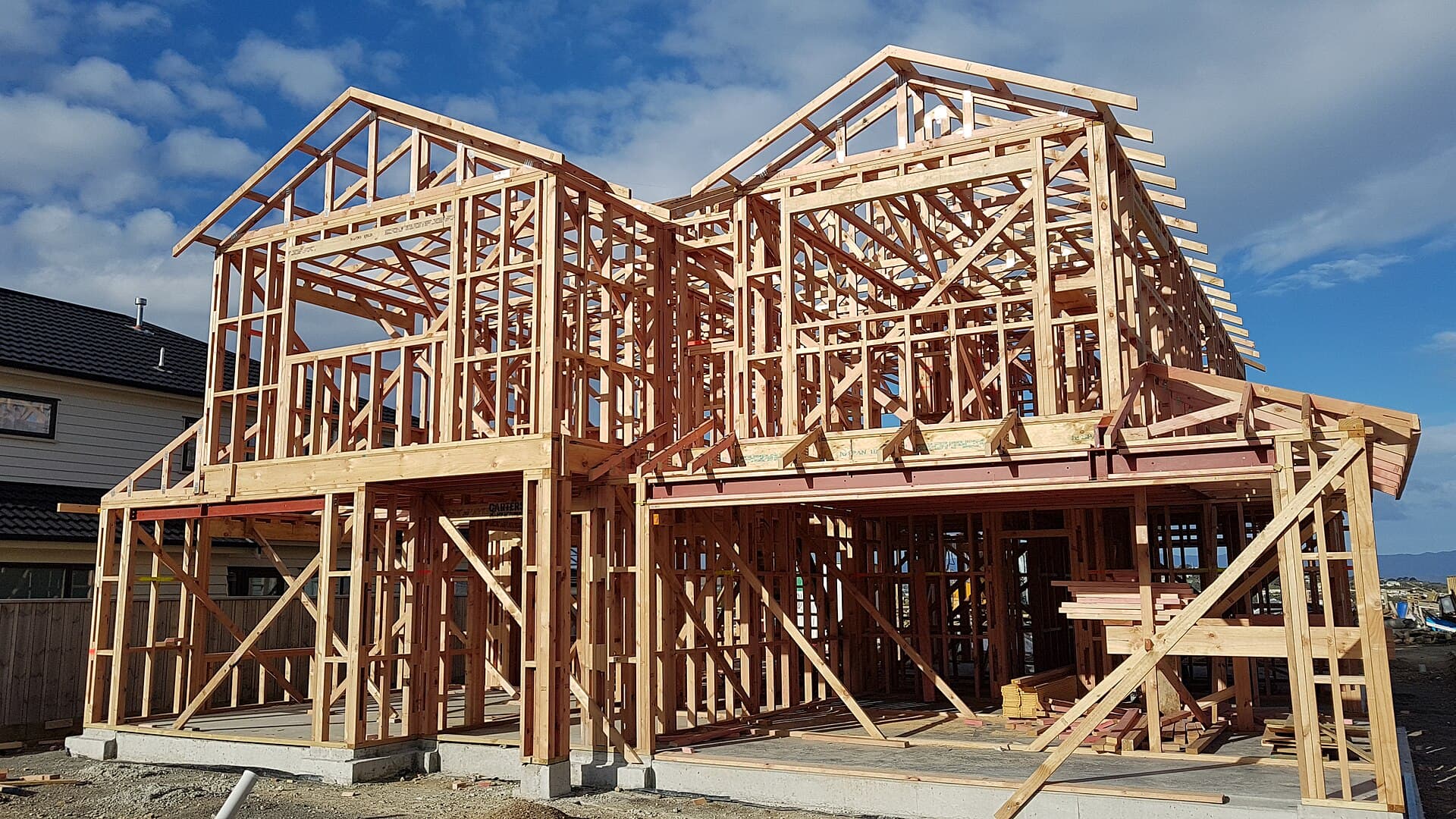
About 1,000 a month, and rising
New-house DAs by month:
- November 2025: 979
- December 2025: 988
- January 2026: 749
- February 2026: 930
- March 2026: 1,065
- April 2026: 913
- May 2026: 1,049
- June 2026: 1,088
- July 2026: 1,214, the year’s peak
- August 2026: 1,064
- September 2026: 1,175
- October 2026: 1,058
The second half of the year averaged 1,108 a month against 937 in the first half, an 18 per cent lift. July was the busiest month for new houses in the whole year, which runs against the idea that building is a spring thing: owners lodge in winter so they are approved and on site by spring.
What a new house costs, by region
The average stated cost of a new house (leaving out the handful over $5 million, which are usually several houses on one application) was about $820,000 statewide. By region:
- Greater Sydney: 5,284 applications, average $998,000
- Regional NSW: 3,777, average $682,000
- Hunter: 1,599, average $666,000
- Illawarra and South Coast: 1,237, average $759,000
- Central Coast: 375, average $747,000
Within Sydney the spread is wide. The average new house lodged in Wollondilly was $623,000 and in Blacktown $692,000, both estate markets with project-home prices. In The Hills it was $983,000, in Cumberland $976,000 and in Northern Beaches $1.65 million, where most new houses are custom builds replacing an older one.
What comes with the house
- 1,887 (15 per cent) included demolition: a knockdown rebuild. These are concentrated in established Sydney suburbs. See knockdown rebuilds in NSW.
- 804 (7 per cent) included a swimming pool on the same application. That is a pool job already decided before the house is built, and it is usually the builder who chooses the pool contractor.
- 670 (5 per cent) included a secondary dwelling: a granny flat built at the same time as the main house, increasingly common on estate lots in the south-west.
The councils building the most houses
New-house DAs for the year, with the average stated cost:
- Wollondilly Shire: 641 ($623,000)
- The Hills Shire: 556 ($983,000)
- Blacktown: 465 ($692,000)
- Camden: 455 ($838,000)
- Lake Macquarie: 397 ($752,000)
- Shellharbour: 377 ($562,000)
- Central Coast: 375 ($747,000)
- Campbelltown: 340 ($666,000)
- Cessnock: 306 ($568,000)
- MidCoast: 266 ($562,000)
- Northern Beaches: 257 ($1,649,000)
- Shoalhaven: 237 ($868,000)
- Port Macquarie-Hastings: 234 ($720,000)
- Tweed Shire: 232 ($791,000)
- Dubbo Regional: 231 ($566,000)
- Queanbeyan-Palerang: 221 ($815,000)
- Liverpool: 220 ($683,000)
- Penrith: 219 ($798,000)
- Wagga Wagga: 210 ($691,000)
- Cumberland: 188 ($976,000)
Wollondilly, a semi-rural shire on Sydney’s south-western edge, lodged more new houses than any other council in the state. Tahmoor, Wilton and Thirlmere between them accounted for 364 of its 641. Wollondilly also lodged the fourth-most pool applications of any council in the state, so the trades follow.
The suburbs: where the estates are
The twenty suburbs with the most new-house DAs in the year read like a map of NSW’s land releases:
- Tahmoor (Wollondilly): 182
- Calderwood (Shellharbour): 154
- Gables (The Hills): 147
- Dubbo: 135
- Box Hill (The Hills): 102
- Wilton (Wollondilly): 100
- North Rothbury (Cessnock): 98
- Menangle Park (Campbelltown): 84
- Leppington (Camden): 82
- Moama (Murray River): 82
- Thirlmere (Wollondilly): 82
- Orange: 77
- Oran Park (Camden): 74
- Googong (Queanbeyan-Palerang): 73
- Cobbitty (Camden): 70
- Gledswood Hills (Camden): 69
- Strathfield: 69, the one established suburb on the list, where new houses replace old ones
- Kings Forest (Tweed): 67
- Thrumster (Port Macquarie): 64
- Orchard Hills (Penrith): 62
Estates matter to trades for a simple reason: the houses are built in waves, by a handful of builders, and the trades those builders use get the whole street. Being known in Tahmoor or Calderwood is worth more than being known across half of Sydney.
Hearing about each one first
A new-house DA appears on the Planning Portal within days of lodgement, usually three to six months before the slab is poured. The owner may already have a builder, but the builder has not usually chosen every trade, and on an owner-builder job or a custom build nobody has. LodgedLeads emails new home builder leads, and the matching solar and electrical, landscaping, fencing and pool leads, for the councils you choose, the evening they are lodged. Subscribers can also post a letter to the owner at the site address straight from the lead. It is $79 a month with a 14-day free trial.
Data source: NSW Planning Portal, NSW Department of Planning, Housing and Infrastructure, under Creative Commons Attribution. About the data.