Every NSW building job starts with a DA. Here’s how to hear about it first
Development applications are public the day they are lodged, often months before a builder asks for quotes. What a DA tells you, why it matters to trades, and how LodgedLeads turns the NSW Planning Portal into same-day job alerts.
The LodgedLeads team · · 5 min read
Most building work in New South Wales starts the same way: with paperwork. Before the slab is poured, before the pool is dug and before anyone rings around for quotes, somebody lodges a development application with their council. And because the planning system is built to be open, that application becomes public almost straight away.
For a trade business, that is the earliest reliable signal that a job is coming. This article explains what a development application is, what it tells you, why the timing matters, and how we built LodgedLeads to put that information in your inbox the evening it appears.
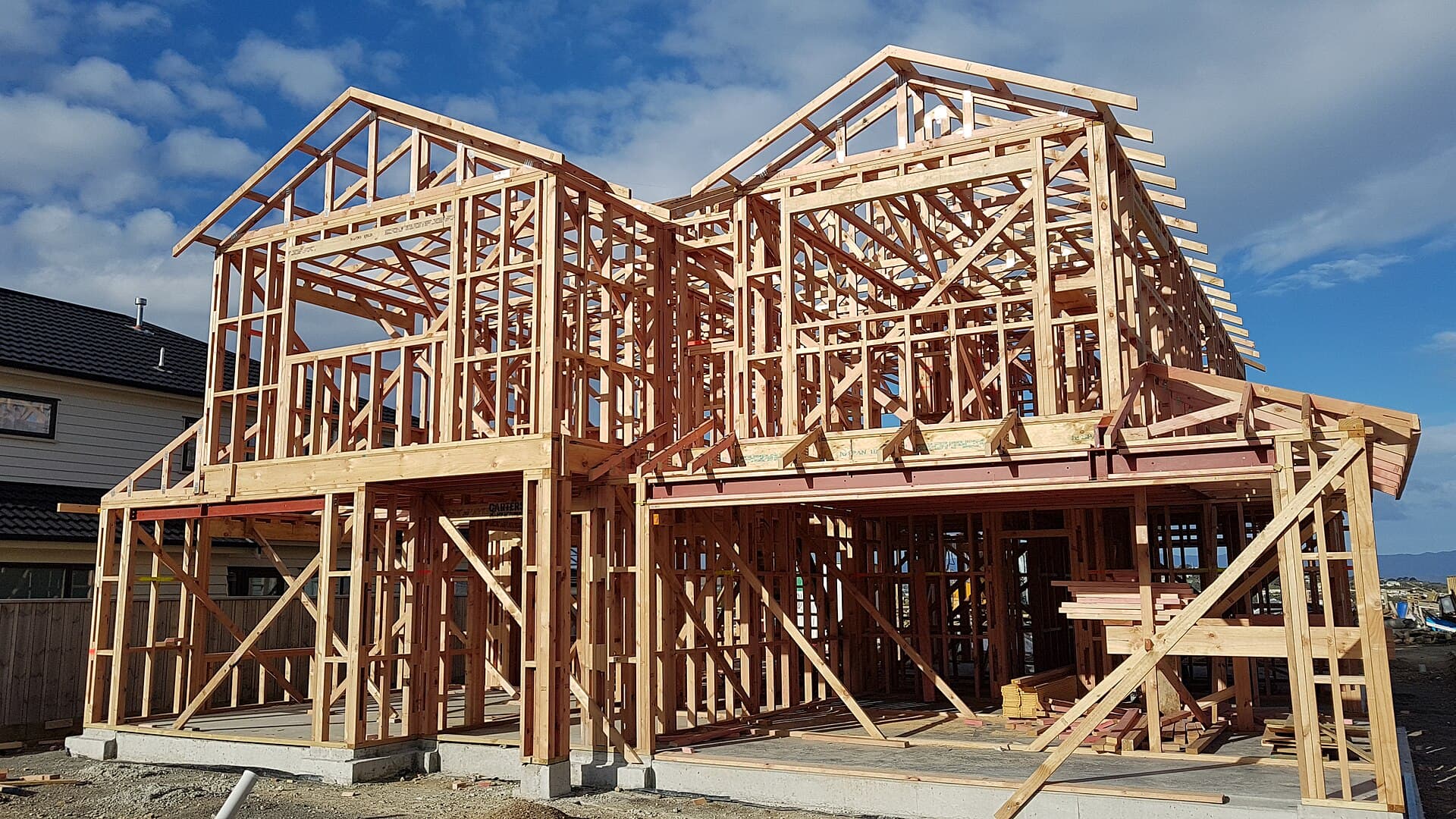
What a development application is
A development application, or DA, is a request to a council for permission to build or change something: a new house, a granny flat, a swimming pool, an extension, a knock-down rebuild, a block of units, a shop fit-out. In NSW, applications are lodged online through the NSW Planning Portal, which passes them to the right council for assessment.
Applications are published so that neighbours can see what is planned and have their say. The NSW Government also releases them as open data, under a Creative Commons Attribution licence, which anyone can reuse. Each record typically includes:
- The site address, the suburb and the council it was lodged with.
- A description of the work, such as “Dwelling house, swimming pool” or “Demolition of existing dwelling and construction of a secondary dwelling”.
- The estimated cost of development entered by the applicant. It is self-reported, but it is a good guide to the size of the job.
- The application number and its status: lodged, under assessment, more information requested, then determined.
Not every job needs a DA. Some smaller or straightforward work is approved as exempt or complying development instead. But the larger, more valuable jobs a trade business wants, such as new homes, pools, granny flats, major renovations and multi-unit builds, very often go through the DA process.
Why the timing matters
A DA is lodged at the very start of a project. Assessment usually takes weeks, sometimes months, and only after approval does construction begin. That gap is the opportunity.
When an application first appears, the owner or builder is still planning. Many of the trades are not locked in yet. A pool builder who hears about a new dwelling with a pool on the day it is lodged has a very different conversation from one who hears about it from a quote website after five other businesses have already called.
The quote request is the end of a long process. The development application is the beginning of it.
It works for more trades than you might think. A single new house can mean work for excavation, concreting, framing, roofing, plumbing, electrical, solar, tiling, landscaping and fencing. A knock-down rebuild adds demolition, asbestos removal and skip bins. A granny flat often comes with a new driveway and fencing.
The catch: the data is public, but it isn’t easy to use
The Planning Portal was built for people lodging and assessing applications, not for a tradie checking their phone at six in the morning. Following new applications by hand means searching council by council, reading planning descriptions to work out whether a job is relevant to you, and doing it again every day. Most busy businesses don’t have time, so the information goes unused.
There is also a timing quirk. The Portal publishes each day’s new applications in a batch, usually in the evening, around 8pm Sydney time. If you check in the morning, you are already a night behind anyone who checked at nine o’clock.
How LodgedLeads works
We built LodgedLeads to do the watching for you. In plain terms:
- We check the NSW Planning Portal every 15 minutes, so new applications are picked up within minutes of the evening batch appearing.
- We sort every application by trade. We read the type of development and the proposed work, then match it to eleven trade categories, from pool builders and granny flat builders to demolition, landscaping, fencing, solar and electrical, and commercial fit-out.
- We email the ones that match you. You choose your trades, the councils or suburbs you work in (or a distance from your base), and a minimum job size. Matching applications arrive that evening, or in a single daily or weekly summary if you prefer.
Each alert carries the full site address, the work proposed, the estimated cost, the council, the application number and its current status. Inside your account there is a link to the council’s own tracker for each one, so you can read the plans. You can also see every lead on a map, save the promising ones to a pipeline, mark them contacted, quoted or won, keep notes, and export everything to Excel or your CRM.
If you want to see what is moving before you sign up, the latest applications page shows what has just been lodged across NSW. Or you can browse by trade, council or suburb.
What a lead looks like
Here is the kind of application that lands in an inbox. One recent example, lodged with Coffs Harbour council, was described as “Dwelling house, erection of a new structure, swimming pool”, with an estimated cost of development of $2.6 million and a status of under assessment.
For a pool builder, that is an obvious lead. But the same application is relevant to a landscaper, a fencing contractor, a solar installer and an electrician, and each of them gets it the same evening if it matches their alert.
Making contact the right way
Development applications are public, but the people behind them deserve respect. LodgedLeads shows what is on the public record: the site, the work and the application. We don’t look up, publish or sell owners’ names or phone numbers.
Most of our customers send a short, useful letter or a quote pack to the site address, mentioning the application number so it is clear why they are writing. If you contact anyone by email, text or phone, the Spam Act 2003 and the Do Not Call Register rules apply, and following them is your responsibility. A helpful, low-pressure first contact works better anyway: you are reaching someone at the planning stage, when they are open to ideas and prices.
Try it
LodgedLeads is $79 a month including GST, or $790 a year (two months free). It is one plan with everything included: every trade, every NSW council on the Portal, instant alerts, the pipeline and CSV export. You can try it free for 14 days with no credit card, and if you do nothing at the end, nothing is charged.
Not ready for that? Ask for the free weekly sample: once a week we email you a handful of real applications near you for your trade, so you can judge the leads for yourself.
The next job in your area is probably being planned right now. The only question is whether you hear about it when the application is lodged, or when everyone else does.
Data source: NSW Planning Portal, NSW Department of Planning, Housing and Infrastructure, under Creative Commons Attribution. About the data.