Knockdown rebuilds in NSW: 780 in three months, and the trades each one needs
783 development applications to knock down a house and build a new one were lodged in NSW in 90 days, with a median cost of $957,000. Where they are, the order the trades come in, and how demolition contractors and builders can hear about each one first.
The LodgedLeads team · · 3 min read
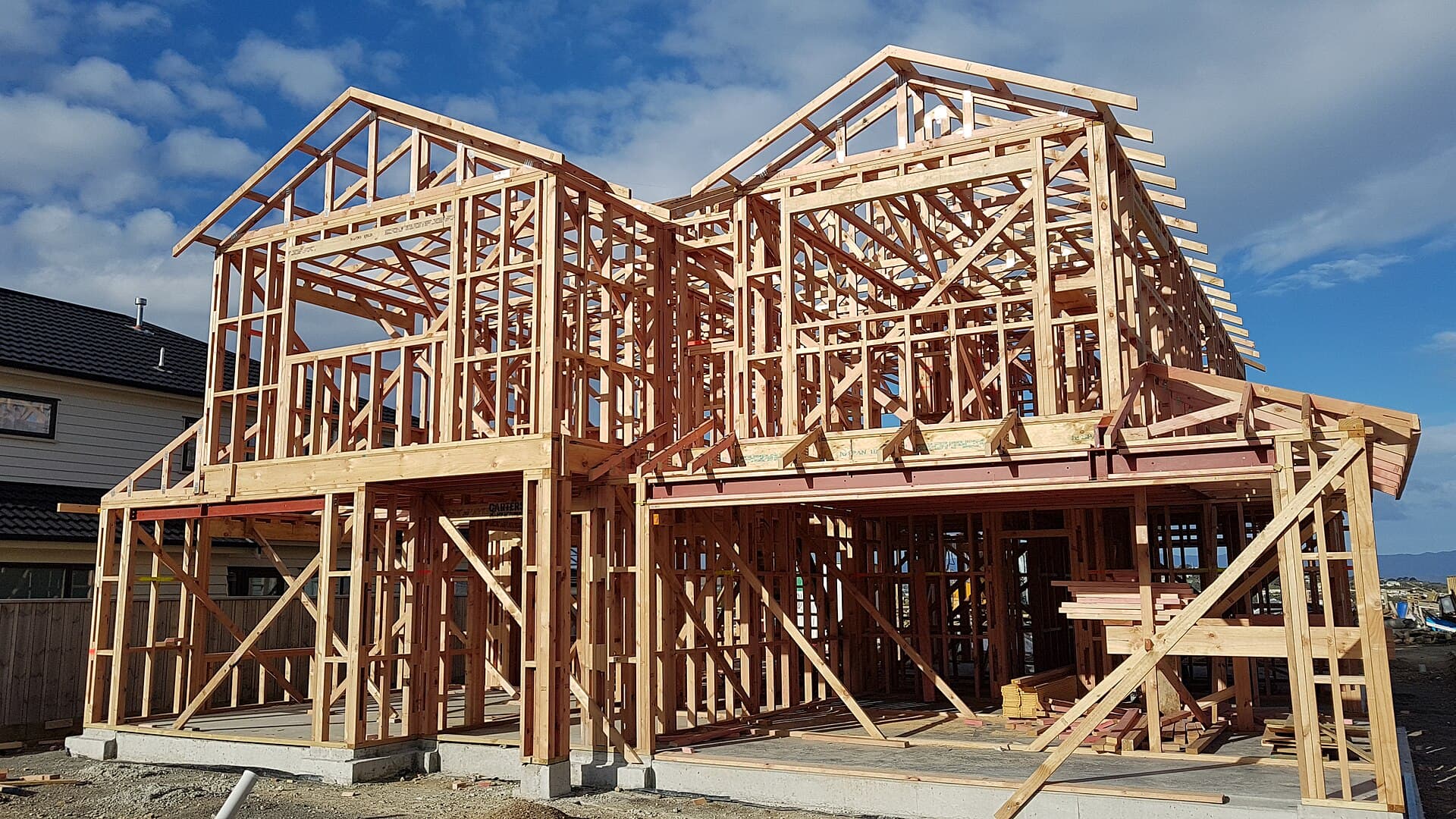
A knockdown rebuild is one of the best jobs in residential building. The block is already serviced, the owner has usually lived there for years and knows exactly what they want, and the budget is real. For a demolition contractor it’s the start of a busy few weeks. For a builder it’s a whole house.
Almost every one of them starts with a development application that includes both the demolition of the old house and a new dwelling. Those applications are public, so we counted them.
The numbers
In the 90 days to 6 November 2026, 783 development applications in NSW combined demolition with a new dwelling: about 60 a week. 482 of them were in Greater Sydney. The median estimated cost was $957,000, so half were above it.
Count every application that includes demolition of any kind, including partial demolition for extensions and the clearing of sites for units and commercial buildings, and the figure rises to 1,554, or about 120 a week.
Where they are
The councils with the most knockdown rebuild applications over those 90 days:
- Northern Beaches: 42
- Newcastle: 39
- Lake Macquarie: 32
- Inner West: 30
- City of Parramatta: 29
- Wollongong: 28
- The Hills Shire and Sutherland Shire: 26 each
For demolition of any kind, Inner West led with 74 applications, then Northern Beaches (65), Newcastle (63), Wollongong (58), Parramatta (57), Lake Macquarie and Cumberland (53 each) and Blacktown (50). Older suburbs with original cottages on decent blocks, such as Burwood, Concord, Hunters Hill and the Lane Cove area, see a steady stream too.
The order the trades come in
A knockdown rebuild brings in more trades than almost any other residential job, and it brings them in a predictable order:
- Designer, surveyor and builder. Mostly chosen before the application is lodged, though many owners are still comparing builders while the DA is assessed.
- Demolition and asbestos removal. Houses built before 1990 often contain asbestos, which must be removed by a licensed removalist before the main demolition. Disconnection of services happens here too.
- Skip bins, excavation and site works. Clearing, cut and fill, retaining walls, sometimes rock breaking.
- Concreting, then framing and roofing. The slab, the frame and the roof, in that order.
- Plumbing, electrical and solar. Rough-in during the frame stage, fit-off at the end. Many new homes now include solar from the start.
- Pools, landscaping, driveways and fencing. Usually last, and often quoted separately by the owner, not the builder.
The timing matters. A demolition contractor wants to be talking to the owner or builder while the application is being assessed, because demolition can usually start soon after the construction certificate is issued. A landscaper or pool builder has longer, but the owner is making design decisions now.
Every knockdown rebuild is two jobs before it’s one: the old house has to come down before the new one goes up.
What the application tells you
A knockdown rebuild application normally describes the work plainly, for example “Demolition of existing dwelling and construction of a two-storey dwelling with swimming pool”. It gives the address, the estimated cost, and in the council tracker, the plans. From those you can see the size of the existing house, whether there’s a pool to fill or remove, the slope of the block and how close the neighbours are. That is most of what you need for a first conversation.
Some knockdown rebuilds go through complying development instead of a DA and don’t appear in council’s list. Read DA vs CDC in NSW for why.
Hearing about each one first
LodgedLeads reads every new application from the NSW Planning Portal every 15 minutes and sends the knockdown rebuilds in your area to demolition contractors and new home builders the evening they are lodged. Every lead has the address, the work, the cost and a link to the plans. You can tick to hear again when it’s approved, the moment demolition gets close.
Because the owner’s address is on the application, members can also post a letter to the property with a QR code that lets the owner ask you for a quote. It’s included in the $79-a-month plan. Start a 14-day free trial, no card needed.
Figures are from NSW Planning Portal data for new development applications lodged between 8 August and 6 November 2026. Costs are the applicant’s own estimates.
Data source: NSW Planning Portal, NSW Department of Planning, Housing and Infrastructure, under Creative Commons Attribution. About the data.